SPEAKING
Getting in is only the beginning.
Tim Spicer helps audiences navigate what comes after opportunity, turning setbacks into information, relationships into community, available resources into action, and influence into better outcomes.
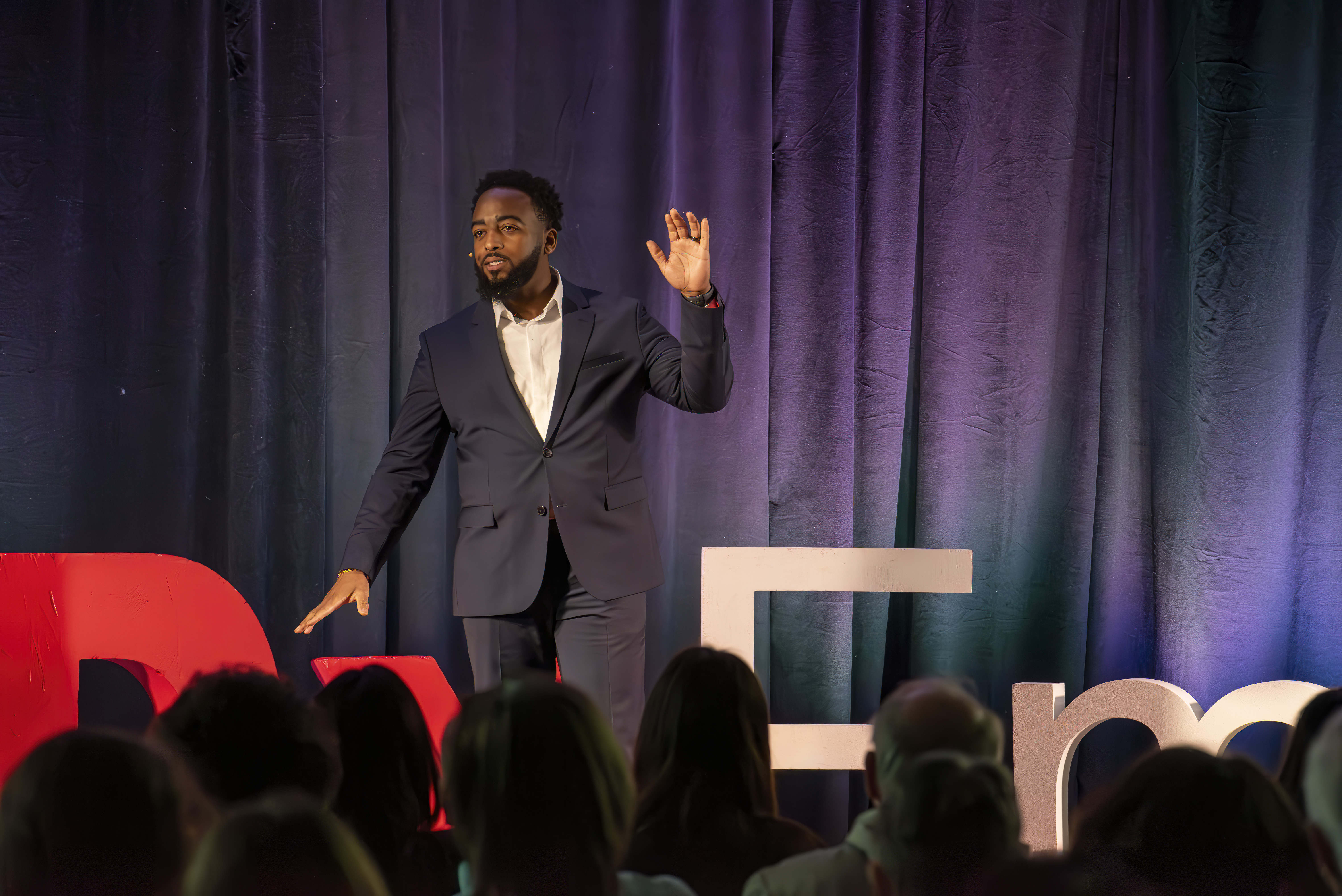
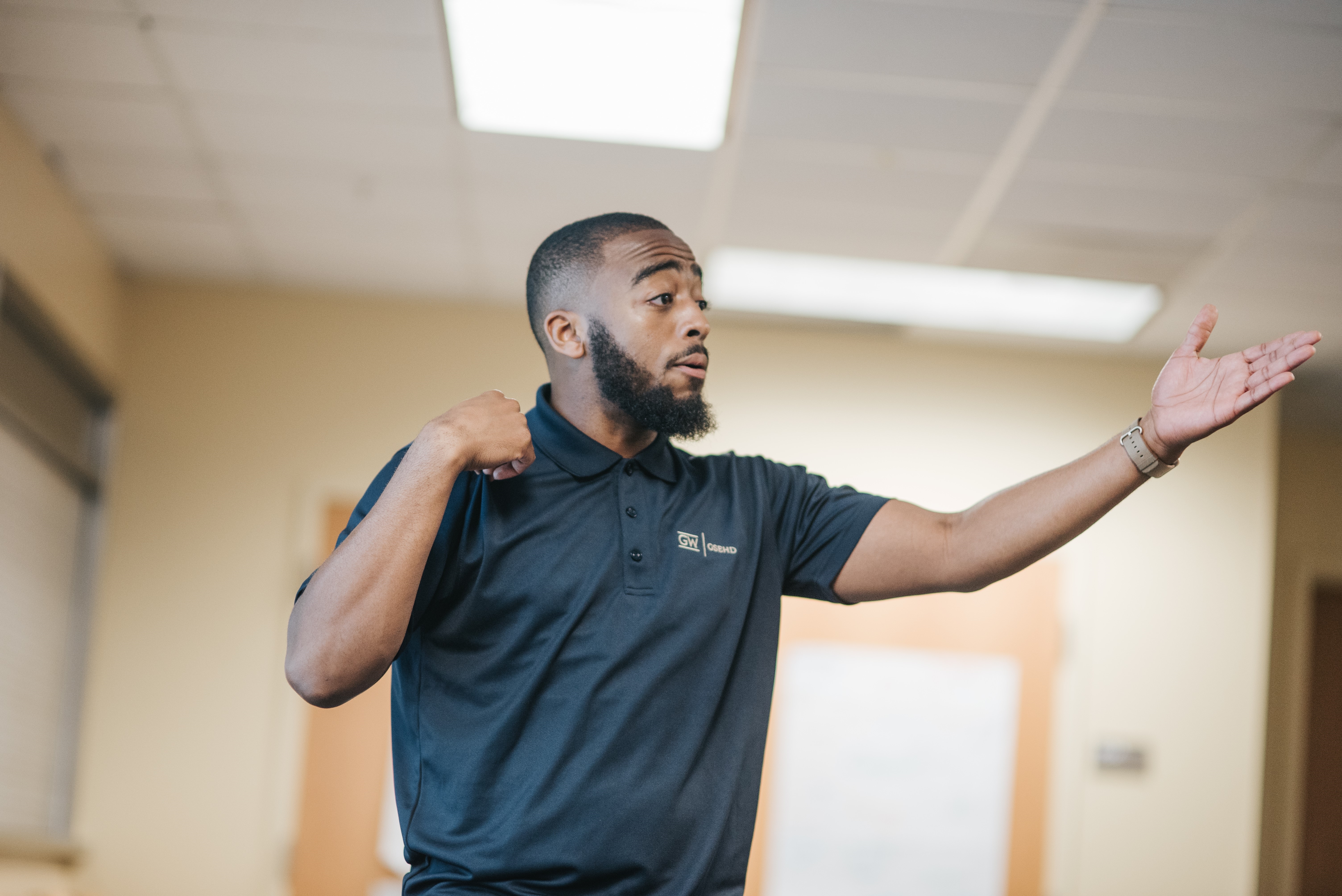
THE FLAGSHIP KEYNOTE
Surviving College
Getting In Is Only the Beginning
Students spend years preparing to get into college. Applications. Essays. Financial aid. Acceptance letters.
Then they arrive, and a completely different challenge begins.
College asks students to navigate independence, setbacks, relationships, competing priorities, unfamiliar systems, available resources, and decisions that can shape what happens next.
Drawing from his own experience at Morehouse College, more than a decade helping students navigate post-secondary education, and lessons tested in an entirely different environment on Survivor, Tim helps students understand that access creates the opportunity.
What they do with it determines what comes next.
AUDIENCE OUTCOMES
They leave knowing
what to do next.
Surviving College moves beyond motivation and gives students practical ways to take greater ownership of the experience in front of them.
RESPOND TO SETBACKS
Learn to treat failure as information rather than allowing one difficult moment to define what happens next.
RECONNECT WITH PURPOSE
Return to the question, “What am I here to achieve?” when circumstances, expectations, or plans change.
ADVOCATE FOR YOURSELF
Build the confidence to ask questions, communicate needs, seek guidance, and take ownership of your experience.
BUILD COMMUNITY
Develop meaningful relationships and recognize that asking for support is part of succeeding, not evidence that you're failing.
ACTIVATE RESOURCES
Recognize and intentionally use the people, programs, tools, and opportunities already within reach.
KEEP MOVING
Develop the adaptability, planning, and persistence needed when the path forward doesn't look the way you expected.
THE 3 C's
A framework for surviving college, and succeeding beyond it.
Tim organizes the conversation around three principles that help students move from simply gaining access to intentionally navigating what comes next.
CONNECTION
Start with yourself.
Before students can effectively use the opportunities around them, they need clarity about who they are, why they're there, and what they're working toward.
When failure or uncertainty creates distance from that purpose, connection means returning to the question:
What am I here to achieve?
COMMUNITY
Stop trying to survive alone.
College success is relational. Students need people who support them, challenge them, share information, create belonging, and remind them when it's time to ask for help.
Community isn't simply something you find.
It's something you build.
CONTRIBUTION
Decide what you'll bring back.
Success becomes bigger than personal achievement when students begin asking how their experiences, strengths, relationships, and influence can create opportunity for someone else.
Contribution turns growth into leadership.
PRACTICAL APPLICATION
Four things students
can start doing now.
Big ideas matter. So do the habits that help students put them into practice.
SET SMART GOALS
Turn a broad intention into something specific, measurable, achievable, relevant, and time-bound.
ORGANIZE
Create systems for managing responsibilities, deadlines, priorities, and the demands competing for attention.
SEEK SUPPORT
Know when to ask for help — and learn how to use the relationships and resources available before a challenge becomes a crisis.
PRIORITIZE SELF-CARE
Recognize that persistence requires taking care of the person doing the persisting.
IDEAL AUDIENCES
For students navigating what comes next.
Surviving College can meet students at different points in the transition from access to persistence — from preparing to enter college to finding their footing once they're there.
INCOMING & FIRST-YEAR STUDENTS
Building the mindset, relationships, and habits needed for the transition
COLLEGE STUDENTS
Reconnecting with purpose, resources, and support when the path becomes difficult
FIRST-GENERATION STUDENTS
Learning to navigate unfamiliar systems, advocate for themselves, and activate available support
HIGH SCHOOL SENIORS
Preparing for the transition from acceptance to independence
YOUNG BLACK MEN & BOYS
Strengthening leadership, self-advocacy, post-secondary confidence, and community
STUDENT LEADERS
Recognizing their influence and using it intentionally within their campus communities
STORY + SUBSTANCE
He knows how to hold the room. And where to take it next.
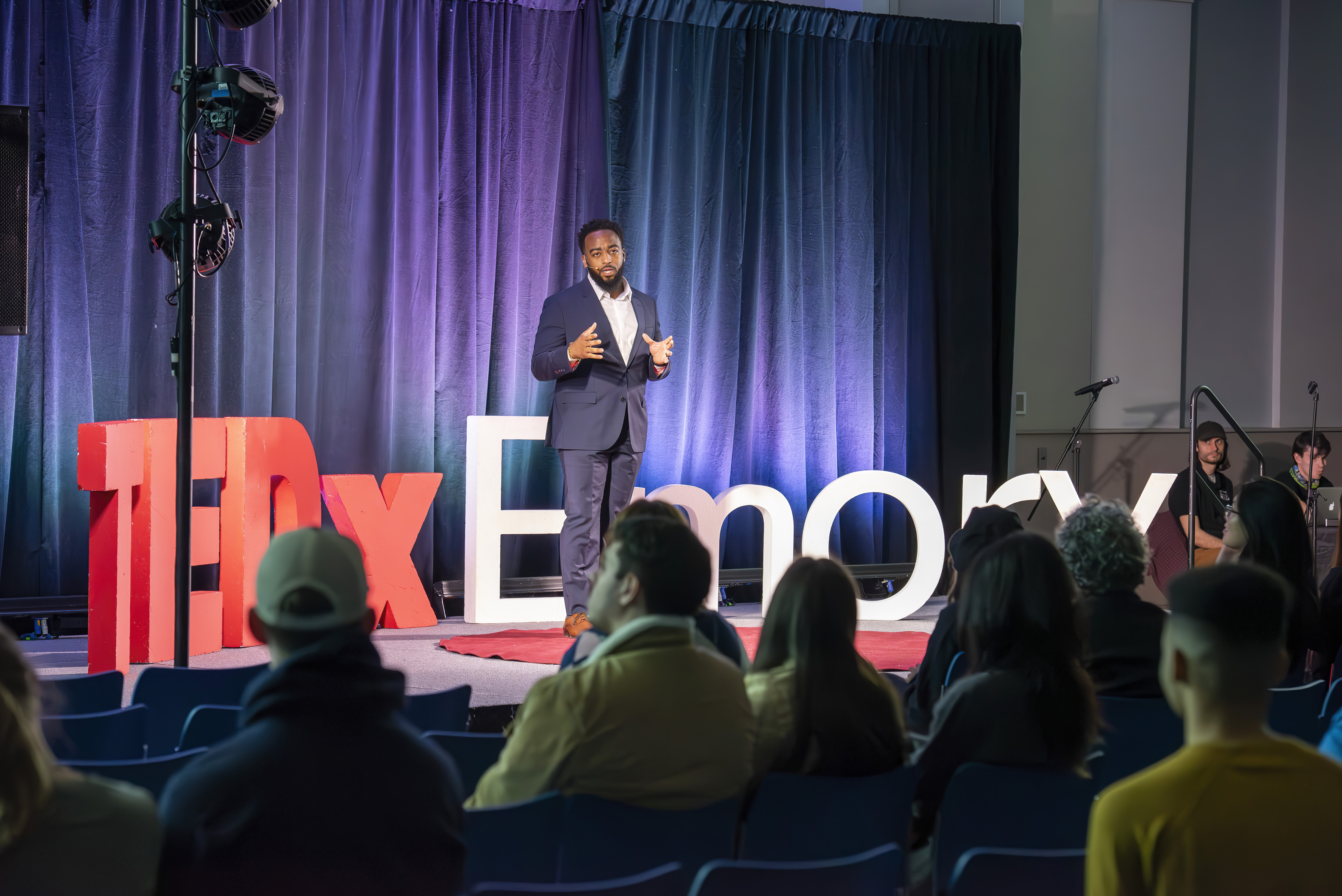
Tim brings the energy of a storyteller and the instincts of a facilitator.
More than a decade working directly with students, families, educators, schools, colleges, and foundations means he isn't speaking about student success from the sidelines.
He knows how to read a room, make complex ideas relatable, create moments of reflection, and connect the story back to something audiences can actually use.
His experiences — from struggling in the classroom to introducing a President, graduating from Morehouse, working in post-secondary education, competing on Survivor, and stepping onto the TEDx stage — give him stories worth telling.
His work gives those stories somewhere to go.
BEYOND THE KEYNOTE
Different rooms. Same commitment to action.
Tim also works with organizations through workshops, coaching, breakouts, panels, and customized conversations built around the needs of the people in the room.
LEADERSHIP & INFLUENCE
Helping students and emerging leaders recognize the influence they already possess and become more intentional about how they use it.
POST-SECONDARY SUCCESS & ACCESS
Exploring college access, persistence, self-advocacy, executive functioning, resource activation, and the systems that support students beyond admission.
FAMILIES & PARENTS
Helping families prepare for post-secondary transitions, support growing independence, and build stronger systems around student success.
AVAILABLE FORMATS
KEYNOTES • WORKSHOPS • COACHING • BREAKOUTS • PANELS
WATCH TIM SPEAK
Surviving College and Beyond
Embracing Failure to Foster Success
In his TEDxEmory talk, Tim connects lessons from college, community, entrepreneurship, and Survivor to explore how connection, community, and contribution can help students persist beyond access.
“This is hard work. But it is also heart work.”
FOR EVENT PLANNERS
Tell Tim who's in the room. Let's build from there.
Every audience brings different experiences, challenges, and goals. Tell Tim about yours, and start a conversation about the keynote, format, or experience that best serves the people you're bringing together.
© 2026 Tim Spicer. All rights reserved.